Projects
Hershey is one of the most produced and well-known chocolate brands in America. The Hershey Company was founded on February 8th, 1894 by Milton Hershey. Prior to Hershey Milton experienced multiple business failures in places like Chicago, New Orleans, and New York. The ambitious entrepreneur got his big break when he added fresh milk to caramel, a lesson he had learned during his time in Denver. This impressed English importers, leading to Milton opening several plants for his new product. This in the long run built the Hershey we know of today. In 2017, Michele Buck became the first president and CEO of The Hershey Company. This essay will go over Hershey’s strengths and weaknesses, their challenges, risks, and opportunities, and the CEO buck’s performance from a financial and CSR standpoint.
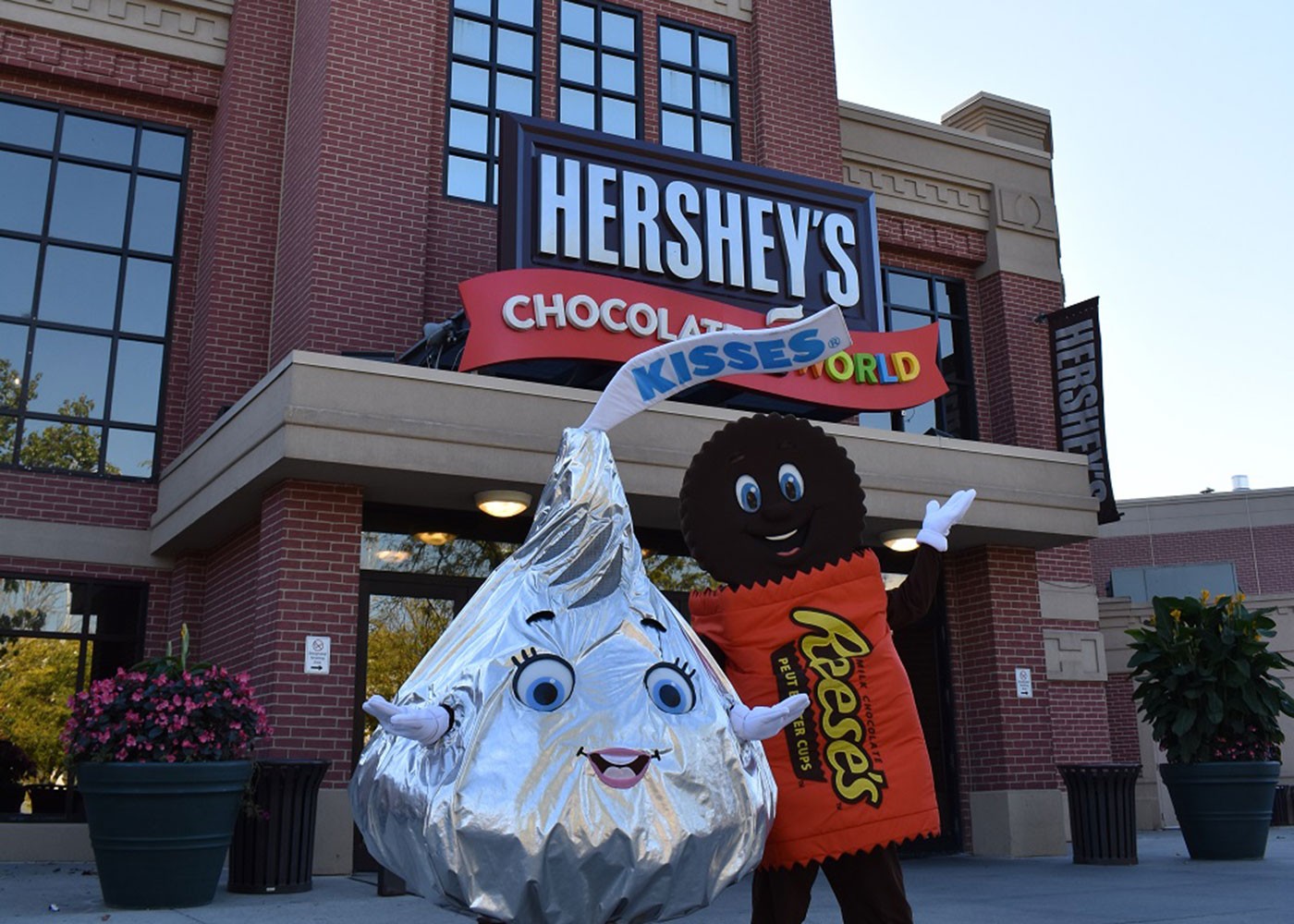
As a successful company, Hershey has many strengths; their values, and beliefs being one of their strengths. These values were originally rooted in the founder Milton Hershey. Milton Hershey took pride in his values. He had a vision of making chocolate accessible to everyone. No matter what social class the person came from. At Hershey, the company promotes togetherness, and integrity, caring for its employees, making quality products, and making a difference through its products, while caring for its employees, customers, earth, and communities. These values are what sets Hershey apart from its competitors. The Hershey Company believes in caring for their employees, customers, communities, and the planet, helping children succeed, making the best quality products, and producing affordable snacks for everyone. Another strength Hershey has is its diverse portfolio of products. Hershey is the number one chocolate producer in America. This is partially because of their versatile portfolio of different and unique products such as Hershey’s Kisses, Reese’s peanut butter cups, Twizzlers, KitKat, and more. In the past, Hershey entered the grocery goods market by producing baking products, bubble gum, mint, nuts, cookies, syrup, and even popcorn. Hershey is known for its strong marketing strategy. Their strategies are based on strong product innovation, derived, and the high quality of the products. Through this market strategy, Hershey used four interconnected strategies: growth by capturing more snacking occasions, profitable and sustainable international expansion, operating with best-in-class capabilities and partnerships, and investing in people and communities. An example of Hershey's investing in the people and community is when Hershey signed the cocoa forest initiative against deforestation. By investing in ending deforestation Hershey earned several fair trade certifications. These marketing strategies have led to a boom in performance financially. In 1915 Hershey opened Chocolate World, a museum and exhibit about the company and their products. In 2017 Hershey’s revenue increased from $7,515 to $8149 million and their net income increased from $782 million to $1278 million in 2020.
Buck joined the Hershey company in 2005 as the company’s marketing officer, slowly making her up as CEO of Hershey in 2017. Within this period, Hershey faced many challenges in recent years. One of these challenges was labor laws. Hershey imports their chocolates from Cote d'Ivoire and Ghana. In Côte d'Ivoire, 891,500 children worked in cocoa agriculture. In Ghana, 708,400 children work in cocoa agriculture. In both countries, workers make approximately one dollar a day. Ivorian and Ghanaian coca regulators have spoken up about Hershey being “highly unethical and in conflict with the concept of sustainability” The amount of workers working at these farms made it challenging for Hershey to keep track of each worker's age and salary. With the growing number of child labor law reforms, Hershey is receiving major exposure for their unethical work practices. This exposure could lead to the risk of reputation damage. Hershey advertises their business as a family business that cares for the environment and people but participates in child labor. Since being called out on the matter, Hershey has not made any significant changes to end child labor. This could lead to a boycott of Hershey's products worldwide. Retail stores would be forced to cut ties with Hershey because they would no longer make money from Hershey's products.
Customers could boycott Hershey's parks and products, resulting in the company going bankrupt, allowing competitors to gain a competitive advantage. From a Financial standpoint, Buck has increased Hershey's profit massively by bringing new marketing strategies and consumer research. Through these strategies Hershey's name became more familiar worldwide and the business became more stable. From a CSR standpoint, Hershey has a strong sustainability initiative. Buck has joined several initiatives to prevent cocoa forest deforestation. From an ethical standard, Hershey struggles to create an ethical and safe environment for employees who produce cocoa in countries like Cote d'Ivoire and Ghana. Many of the workers paid little for their work and achievements and many of these workers are children. Hershey’s work practices can be viewed as unethical.