Projects
Acknowledgments
A detailed research study on fashion trends, with a focus on fast fashion and its impact on recent styles. The study uses data to analyze these trends and predict future fashion movements before they emerge
Project Description
i. Motivation and Background
This dataset was acquired from Kaggle. Due to this, the dataset is limited and not as descriptive as I had hoped. For example, I wanted to conduct a yearly trend analysis using past years' data in my predictive analysis, but such historical data was not available.
My capstone research focuses on fashion forecasting and analysis. Fashion forecasting involves identifying upcoming fashion trends and understanding the factors that drive these changes. These factors can include sociocultural influences, economics, technology, subcultures, and the rise of fast fashion.
My capstone research focuses on fashion forecasting and analysis. Fashion forecasting involves identifying upcoming fashion trends and understanding the factors that drive these changes. These factors can include sociocultural influences, economics, technology, subcultures, and the rise of fast fashion.
ii. Research Questions
In my research, I considered the following questions:
What colors, fabrics, and clothing items are currently trending?
What will be trending in the near future?
Are certain materials and clothing items correlated?
Do shared materials and style characteristics predict future trends?
Do textual product details contain common style descriptors that correlate with emerging trends?
Conclusions
i. Results / Insights
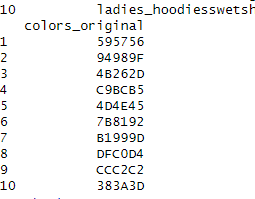
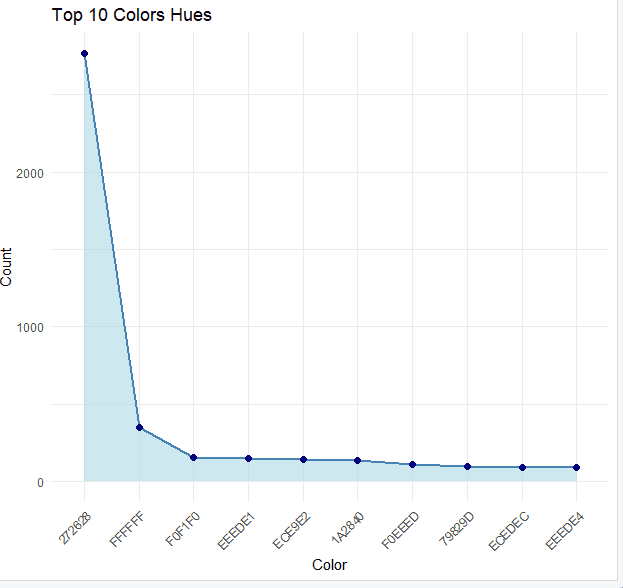
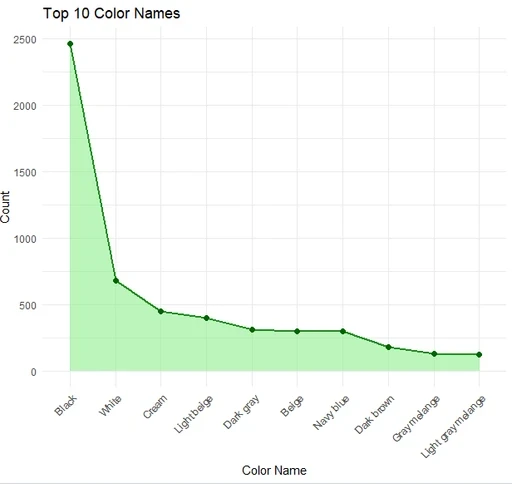
I was very satisfied with the findings. This year, natural colors are particularly popular. Black is the most worn color, followed by white, cream, light beige, dark grey, beige, navy blue, and dark brown. These colors reflect a minimalist aesthetic.
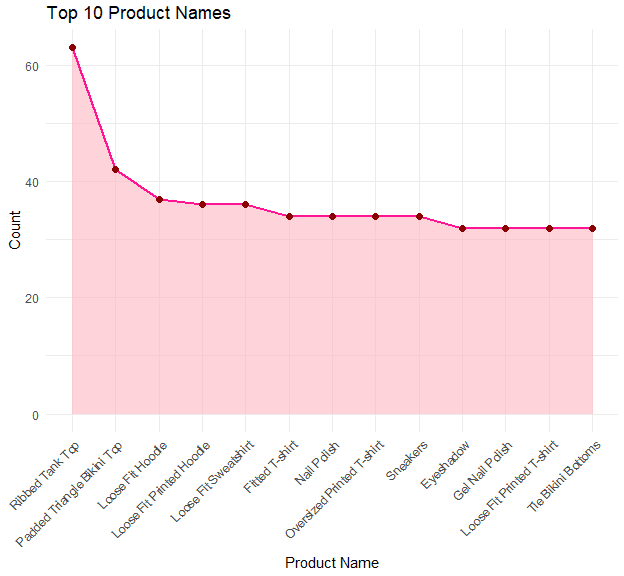
Popular clothing items this year include ribbed tank tops, loose-fit hoodies, loose-fit print hoodies, fitted t-shirts, oversized t-shirts, and sneakers. These suggest a rise in street fashion and styles that balance comfort with visual appeal.
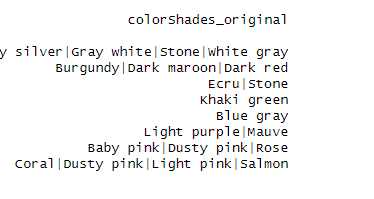
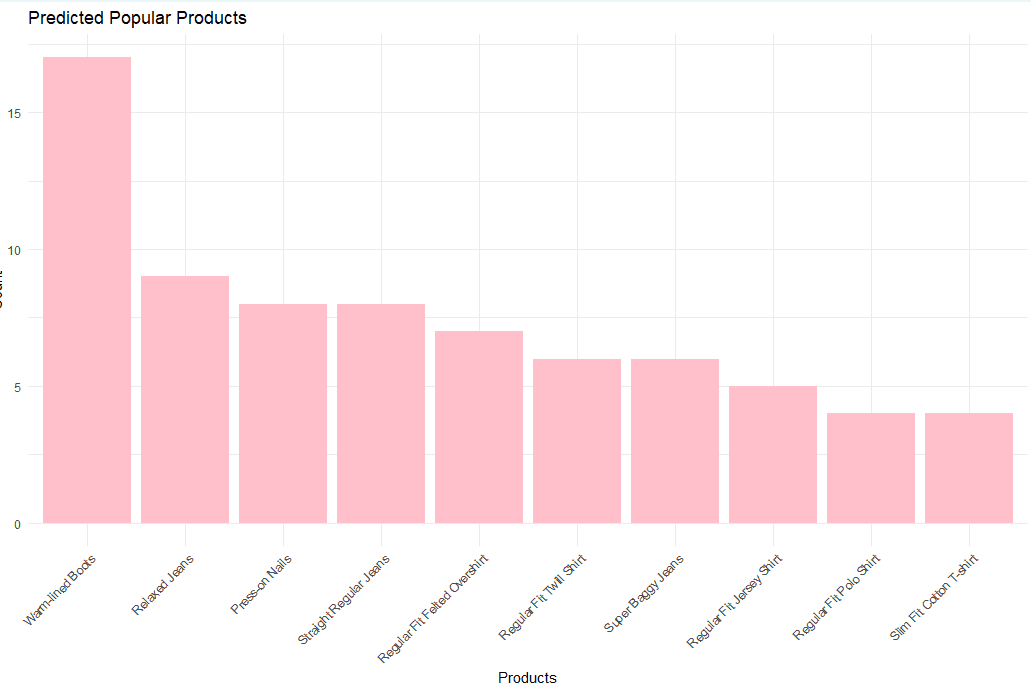
IFrom a materials perspective, cotton and polyester dominate due to their affordability and ease of production. Looking at the predictive results, there's a shift in trending colors. Neutral tones decline, while pastels such as light purple, baby pink, rose, salmon, and coral become more prominent. Grey remains present, accompanied by silver, blue-grey, and darker reds like burgundy. Polyester and cotton continue to be dominant, but we also observe increased use of spandex and rayon.
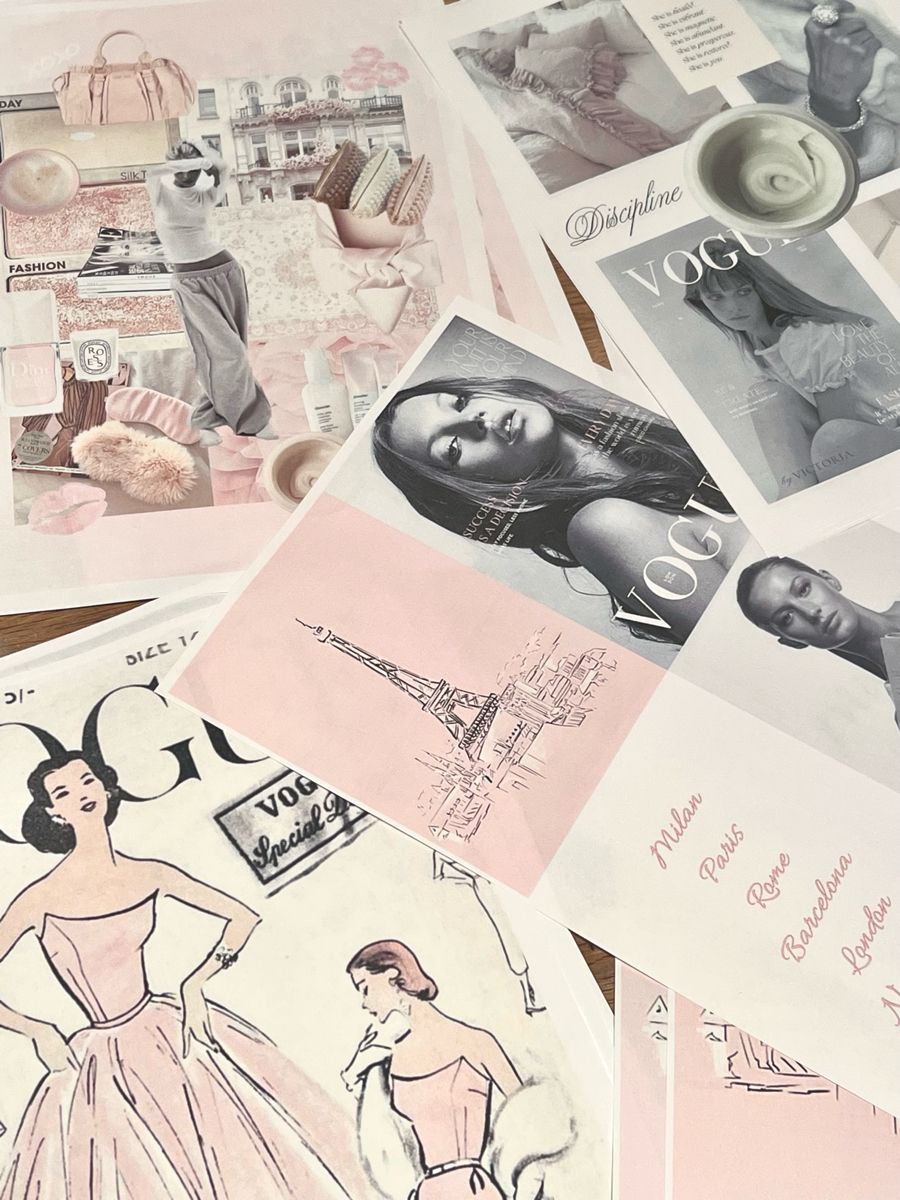
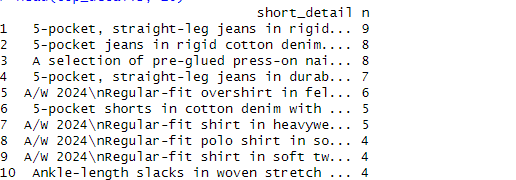
Style-wise, we see a transition toward more fitted garments, such as straight jeans, flared jeans, high-waisted denim shorts, and ribbed dresses. While oversized printed sweatshirts and t-shirts remain popular, fitted styles signal a growing interest in Y2K and street fashion. The rise of pastel tones alongside gothic and feminine aesthetics suggests that dark feminine, coquette, and soft styles may gain traction in the coming months.
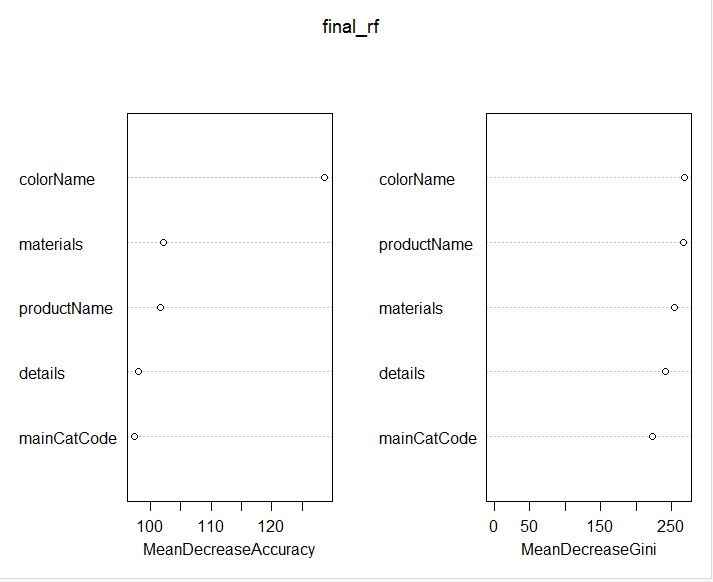
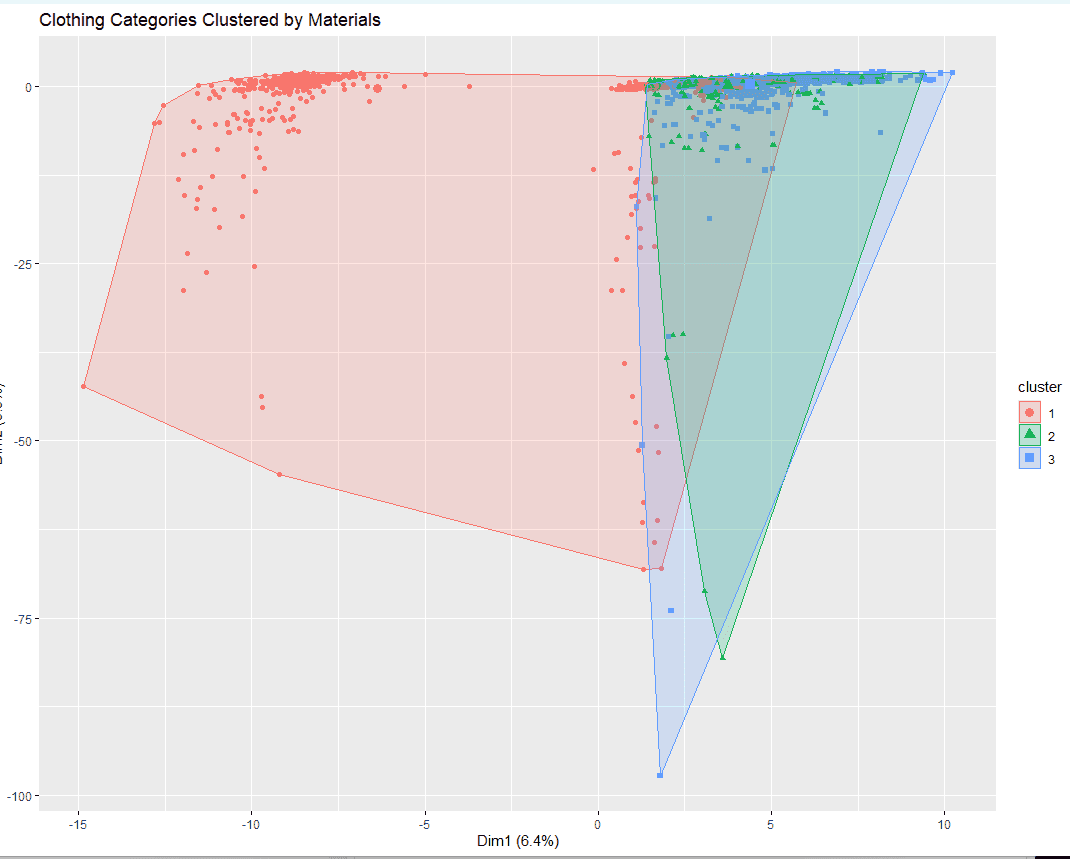
In summary, oversized fashion is gradually giving way to more tailored fits. The popularity of ribbed dresses reflects a shift toward minimalist, comfort-driven fashion. At the same time, flared jeans and printed t-shirts highlight a resurgence of early 2000s styles. Companies should consider leveraging these insights by producing and marketing the items identified through K-Means clustering and Random Forest analysis to increase revenue and sales.