Articles
Black stereotypes in films
Analyst — written by by Genevieve Torkornoo, August 22nd 2021
A in depth look into stereotypes of Black and African Americans in cinema.
In our youth, we often watch TV shows and movies that feature people who look like us. Our dreams and aspirations are shaped by these representations, as they inspire us to believe we can be just like the characters on screen. But what happens when certain races are denied the opportunity to see themselves fully and authentically represented?
IFor generations, Black and African American individuals have been burdened with harmful stereotypes in American cinema. These depictions date as far back as the 1700s and persist—though sometimes more subtly—into the present day. Stereotypes are defined as oversimplified ideas or images of particular people or groups. These oversimplifications have long been used to control narratives and perceptions, especially around race.
One of the most damaging early examples is The Birth of a Nation (1915), a film described as “a commentary of Griffith, Dixon—an outspoken and avowed racist” (African Americans and Popular Culture, p. 25). In this film, the Ku Klux Klan is portrayed as heroic, while Black people are cast as dangerous villains threatening white society. Even more disturbingly, all Black roles were played by white men in blackface—a form of theatrical makeup used to mock and dehumanize Black people. At the time, Black actors were not permitted to act in major productions, let alone write or direct. Films like Babes in Arms (1939), Swing Time (1936), Every Sings (1938), and Trading Places (1983) continued this harmful legacy. Though blackface is rare in modern media, its influence still echoes in today's character tropes and stereotypes.
As the entertainment industry slowly began to allow Black actors into film and television, new stereotypes emerged, rooted in white America’s historical biases. Among the most recognizable are the Mammy, the Jezebel, and the Sapphire.
The Mammy stereotype depicts a Black woman who is devoted to serving and caring for a white family. This character is usually portrayed as older, heavyset, and maternal, often showing no life or identity beyond servitude. It romanticizes slavery by suggesting enslaved women were content with their roles. In A History of Black Stereotypes Onscreen by The Take, historians note that few enslaved women actually worked in households as depicted—most were young, thin, and light-skinned if they worked indoors at all. The Mammy image was designed to comfort white audiences, not reflect reality.
The Jezebel
The Jezebel represents a hypersexualized Black woman who uses her body and sensuality to manipulate men. She is shown as selfish, seductive, and emotionally detached, doing whatever it takes to get what she wants. This stereotype is common in modern media, where Black female characters are still often reduced to their sex appeal instead of being shown with emotional complexity and depth.
The Sapphire
The Sapphire is portrayed as loud, angry, and sassy—often aggressive to the point of being emasculating. This stereotype originated with the character Sapphire in the radio show Amos 'n' Andy, voiced by white actors and later portrayed by Black actors when the show became a television series. Despite being given a Black cast, the show still pushed harmful caricatures. Today, the Sapphire archetype appears in many shows, including Glee, Everybody Hates Chris, and Jessie. It frames Black women as overly confrontational and emotionally volatile, ignoring their humanity and individuality.
The Coon
Another deeply harmful stereotype is the Coon. While the term is now sometimes used within the Black community to label someone seen as “acting white,” its roots are in racist caricature. The Coon was a staple character in minstrel shows and early blackface cinema, often portrayed as lazy, slow-talking, unintelligent, and childlike. These characters were mocked for trying to integrate into white society, reinforcing the idea that Black people were inferior and should remain in subservient roles.
Actor Stepin Fetchit was one of the first Black entertainers to portray the Coon character onscreen. While his presence marked a form of representation, his roles ultimately reinforced the belief that Black people lacked intelligence and self-worth. A History of Black Stereotypes Onscreen describes how modern films continue this trope more subtly. Some animated characters—like Donkey in Shrek, Jar Jar Binks in Star Wars, and the crows in Dumbo—exhibit exaggerated behaviors and speech patterns reminiscent of the Coon stereotype. These characters are often used for comedic effect, and their portrayal still evokes a legacy of mockery.
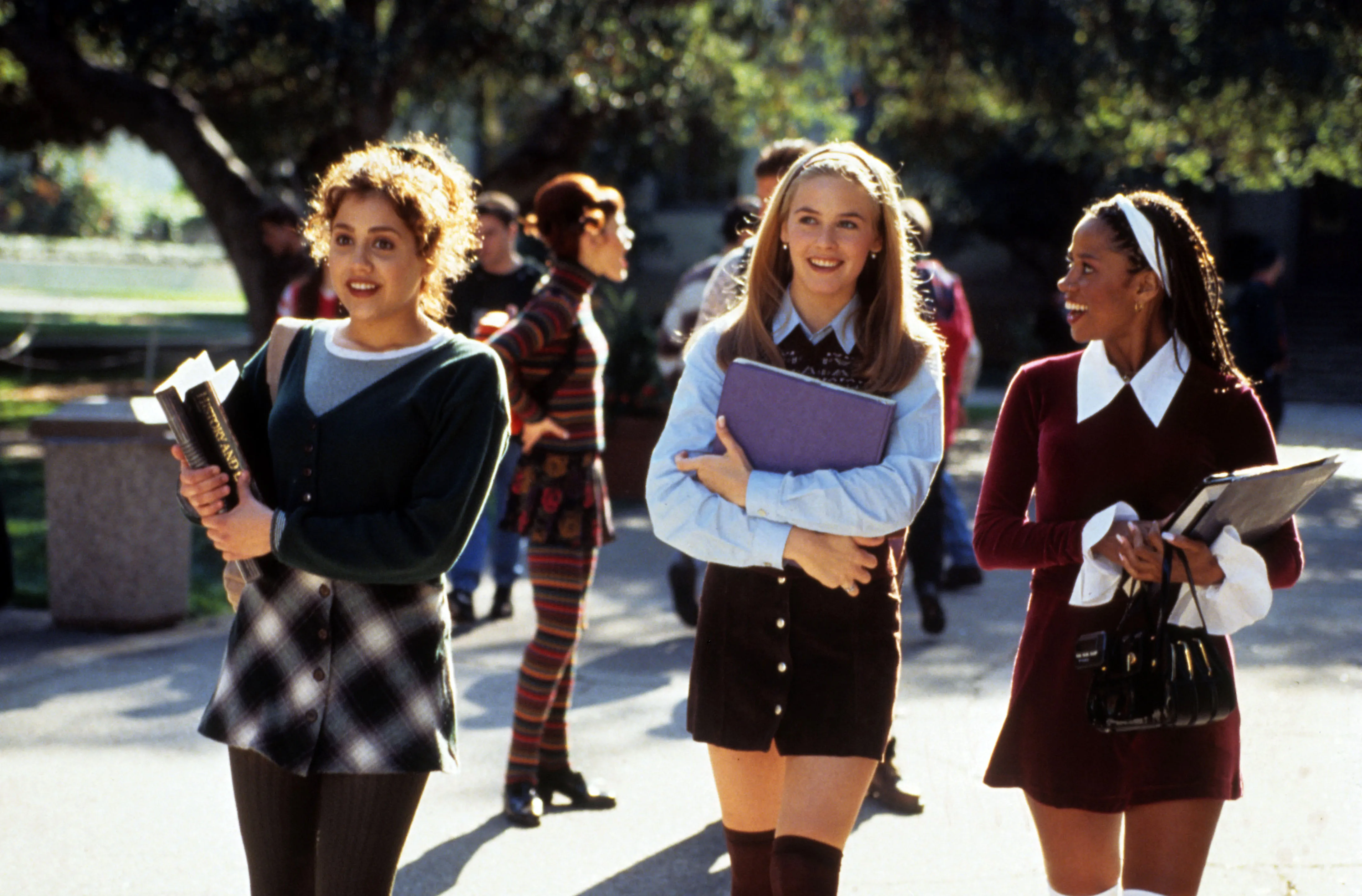
As media evolves, new stereotypes have emerged, sometimes blending with older ones. One modern example is the supportive Black best friend, a character included to make casts appear diverse, but who rarely receives a storyline of their own. Their main purpose is to support the white protagonist, provide comic relief, or deliver wisdom—essentially functioning as a background character in someone else’s story. Examples can be seen in Clueless, The Vampire Diaries, The Flash, 10 Things I Hate About You, and countless others.
These newer tropes often combine with older ones. The Sapphire stereotype might be merged with the Black best friend—creating a character who is loud, brash, yet still loyal to the main character. Mammy and Jezebel might be mixed to form the “Black mom” stereotype: a sexualized yet submissive caretaker with no interior life. Or even Mammy and Sapphire might be combined into the “angry Black mom,” who yells to assert power but remains ultimately submissive and trapped within her role.
The Cost of Stereotypes in Media
We've been embedding racial stereotypes into media for far too long. As a result, all Black people regardless of nationality, culture, or background are often painted with the same broad brush. These portrayals can influence how Black individuals are perceived in real life, and worse, how they begin to perceive themselves. Some may feel pressured to conform to these narrow expectations, while others are punished for defying them.
When stereotypes dominate the screen, Black creators are robbed of the opportunity to tell diverse and authentic stories. Representation becomes restricted to tropes instead of truth. And when audiences especially young Black viewers rarely see themselves reflected in positive, human ways, it affects their sense of identity, confidence, and possibility.
In order to move forward, we must get rid these long-standing tropes and give space to honest storytelling from Black voices. Cinema and television have incredible power to shape culture and consciousness. That power should be used to uplift, not to limit.
We've been embedding stereotypes into cinema for too long. Thus, all Africans and blacks are classified as the same. This might even lead them to act a certain way to conform to racial stereotypes. Having these kinds of stereotypes hurts our society, as we do not allow black creators to tell their stories that will let black people identify with something other than what the media normalizes, but shames them for acting the way they are expected to act.